 Save
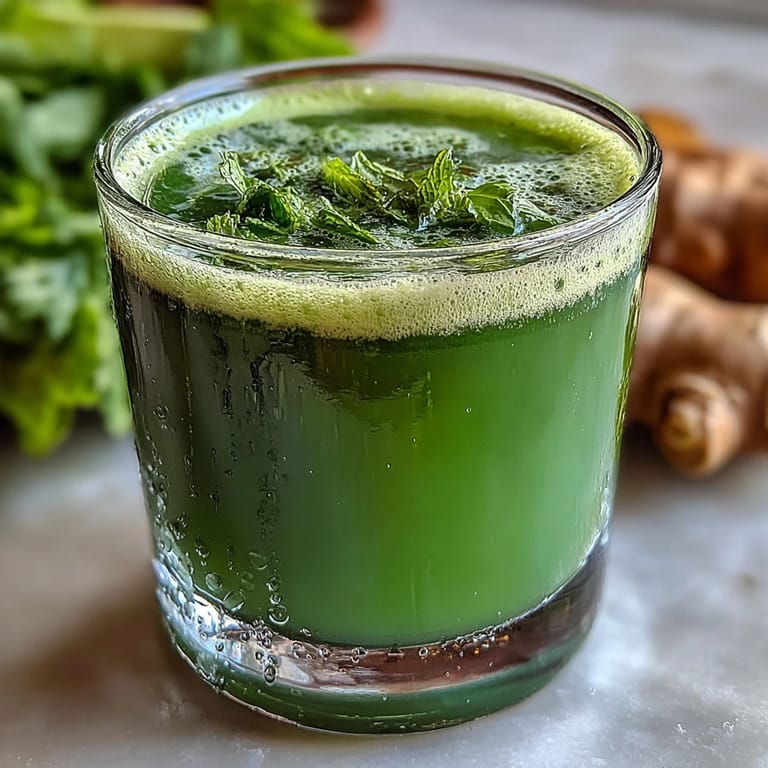
Save There's something almost meditative about watching green juice transform from separate ingredients into something glowing and alive. I discovered this particular blend on a morning when my throat felt scratchy and my energy was completely depleted—I had nothing in the fridge except celery, a knob of ginger that had been lurking in the crisper drawer, and half a lemon. What started as improvisation became my go-to reset button, especially on days when I need to feel sharp again without the caffeine crash.
My partner walked into the kitchen one Saturday and caught me mid-blend, the sound so loud it practically echoed through the apartment. When I handed them a glass, they took a sip and made this face—part surprise, part realization—and said nothing except, 'Make two of these every morning from now on.' That's when I knew this wasn't just a juice; it was something we'd keep coming back to.
Ingredients
- Fresh celery stalks: Use the palest, crispest stalks you can find—they're milder and juice more easily than the darker outer ones, and the yield is genuinely better.
- Fresh ginger: Don't peel it too aggressively; the skin holds flavor and nutrients, so a light scrape with a spoon is often enough.
- Fresh mint leaves: A small handful is all you need—too much can overpower the brightness of the lemon, so be gentle here.
- Fresh lemon: Juice it yourself if possible; bottled lemon juice tastes thin and tired by comparison.
- Agave syrup: Start with less than you think you need; you can always add more, but you can't take it back.
- Himalayan salt: Just a pinch, but it's the secret that makes everything pop and feel complete.
- Ice cubes: Frozen ones give you a colder, more refreshing result than room temperature water ever could.
- Cold water: This dilutes the intensity slightly without watering down the flavor the way room-temperature water would.
Tired of Takeout? 🥡
Get 10 meals you can make faster than delivery arrives. Seriously.
One email. No spam. Unsubscribe anytime.
Instructions
- Prep your produce first:
- Roughly chop the celery so it feeds into the blender without jamming, slice the ginger into thin pieces to release its essential oils, and gather the mint leaves in one spot. This takes maybe two minutes and prevents the awkward pause when you're halfway blending and realize you forgot something.
- Build the base:
- Put the celery, ginger, mint, fresh lemon juice, agave, and salt into your blender in that order—starting with the harder vegetables on the bottom helps them break down more efficiently. You'll notice the ginger starts releasing its sharp, clean scent almost immediately.
- Add the liquid:
- Drop in the ice cubes and pour the cold water over everything, then secure the lid tightly. The ice is key here; it keeps everything cold while blending and prevents the friction heat from cooking away the fresh flavors.
- Blend with intention:
- Start on medium speed for about 10 seconds to break things down, then crank it to high for another 20-30 seconds until you see absolutely no visible chunks. You want it completely smooth and almost creamy-looking, which is when you know the fiber has fully broken down.
- Strain for smoothness:
- Pour the mixture slowly through a fine mesh sieve or nut milk bag into a pitcher, letting gravity do the work rather than pushing it through. This step is optional if you like pulp, but straining gives you that silky, almost elegant texture.
- Taste and adjust:
- Before serving, take a sip and see if you want more sweetness, more salt, or even a whisper more ginger. Fresh juice is forgiving and responds beautifully to these tiny tweaks.
- Serve immediately:
- Pour it over fresh ice if you want it extra cold, or drink it straight if you prefer maximum flavor intensity. Serve it to someone you care about and watch their face light up.
 Save
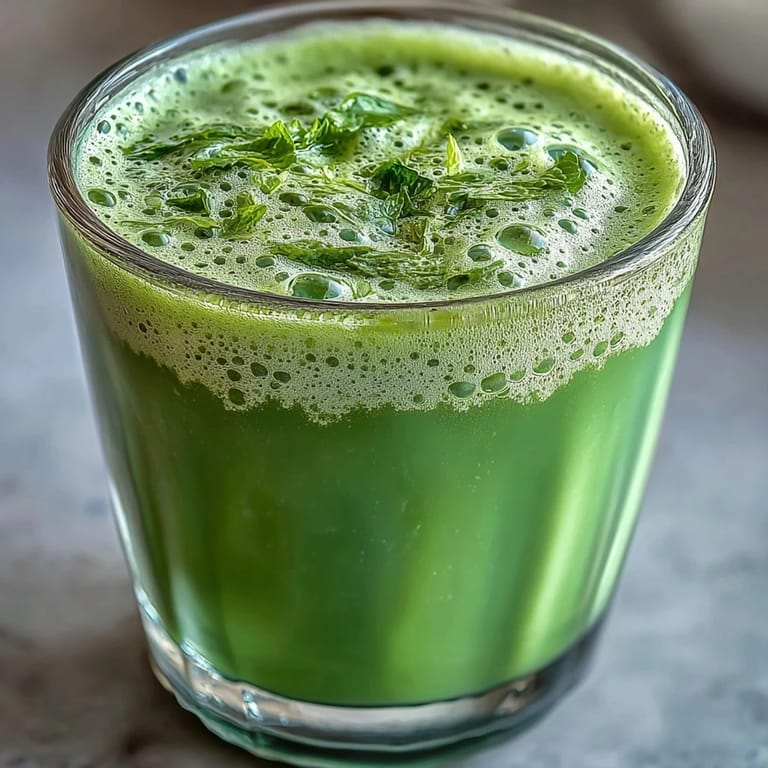
Save There was this one morning when I made this juice for a friend who was fighting off a cold, and they called me later to say they'd already made it twice more on their own. That's when I realized juice recipes aren't really about nutrition stats or convenience—they're about feeling seen, feeling cared for, having someone hand you something that tastes like they knew exactly what you needed.
The Magic of Ginger in a Glass
Ginger does something almost alchemical when it's freshly blended—it warms you from the inside without heat, soothes your throat without being medicinal, and adds this peppery complexity that makes the whole drink feel sophisticated. I've tried versions with powdered ginger out of desperation, and it's simply not the same; the fresh version has this living quality that dried spice can't replicate. That slight burn at the back of your throat isn't a warning sign—it's the ginger doing exactly what it was meant to do.
Why Fresh Matters More Than You Think
Using fresh lemon juice instead of bottled feels like a small choice, but it changes everything about how the juice tastes and how it makes you feel. Fresh citrus has this brightness that bottled versions have completely lost; it's the difference between drinking something alive and drinking something that remembers being alive. Even if your kitchen routine is chaos, squeezing one lemon is worth the extra 30 seconds because it's the difference between a drink you tolerate and one you crave.
Making It Your Own
The beauty of this juice is that it's a foundation waiting for your preferences to shape it. On mornings when I want something earthier, I add a small green apple or a few cucumber slices, which softens the ginger's intensity and adds a different kind of refresh. Some mornings I skip the agave entirely and let the lemon be the star; other times I add a pinch more salt because I'm craving something more savory and grounding.
- A green apple or cucumber transforms the juice into something more mellow and hydrating without losing the ginger's clarity.
- If you're using honey or maple syrup instead of agave, remember that these are slightly sweeter, so start with half a teaspoon instead of a full tablespoon.
- Save your ginger scraps and lemon zest to steep in hot water later for a soothing afternoon tea.
 Save
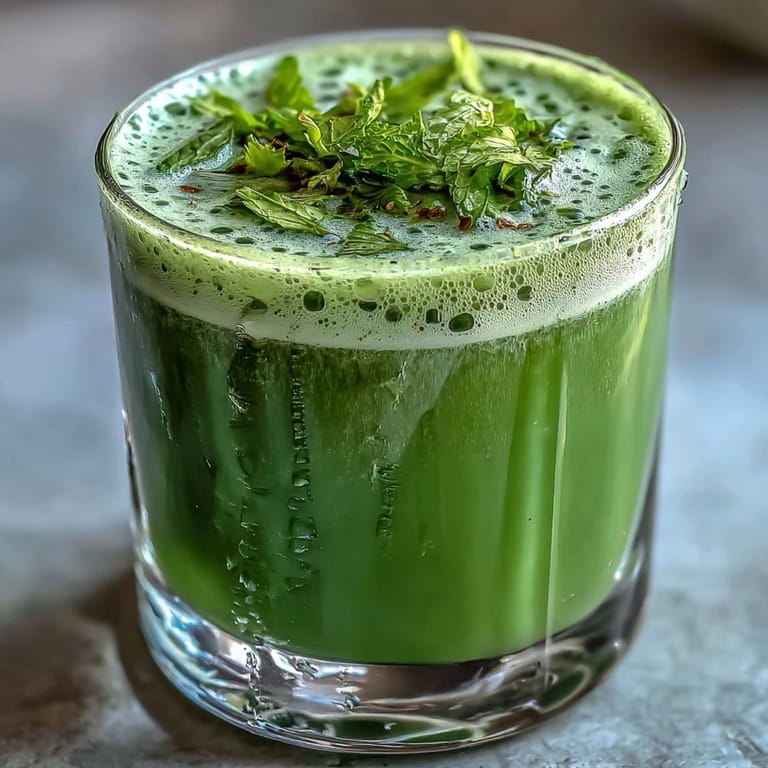
Save This juice has become my quiet ritual, the thing I make when I want to feel intentional about my morning or when someone I love needs reminding that they're worth taking care of. It's simple enough to make without thinking, but nourishing enough to feel like self-love in a glass.
Recipe FAQs
- → Do I need to strain the juice?
Straining is optional. For a smoother texture, use a fine mesh sieve or nut milk bag. Leaving the pulp retains more fiber and creates a thicker consistency.
- → Can I make this ahead of time?
Best consumed fresh for optimal flavor and nutrients. If storing, keep refrigerated in an airtight container for up to 24 hours. Natural separation may occur—stir well before serving.
- → What can I substitute for agave syrup?
Maple syrup works perfectly for a vegan option. Honey adds depth but isn't strictly vegan. Adjust sweetness to taste, starting with one tablespoon.
- → How can I make this more filling?
Add a green apple or cucumber for extra volume and nutrients. Include a banana for creaminess and additional calories. Blend with coconut water instead of plain water.
- → Why add Himalayan salt?
A small pinch enhances all other flavors and provides trace minerals. It helps balance the sweetness from agave and brings out the natural brightness of the lemon and ginger.