 Save
Save My cousin texted me three weeks before her graduation with a photo of a cake from some fancy bakery, then admitted she couldn't justify the price. I found myself volunteering to bake instead, partly out of love and partly because I'd never attempted anything that elegant. Standing in my kitchen at midnight, surrounded by ingredients and a vague confidence I didn't entirely feel, I realized this cake would be the edible equivalent of saying all the things I was too sentimental to speak aloud.
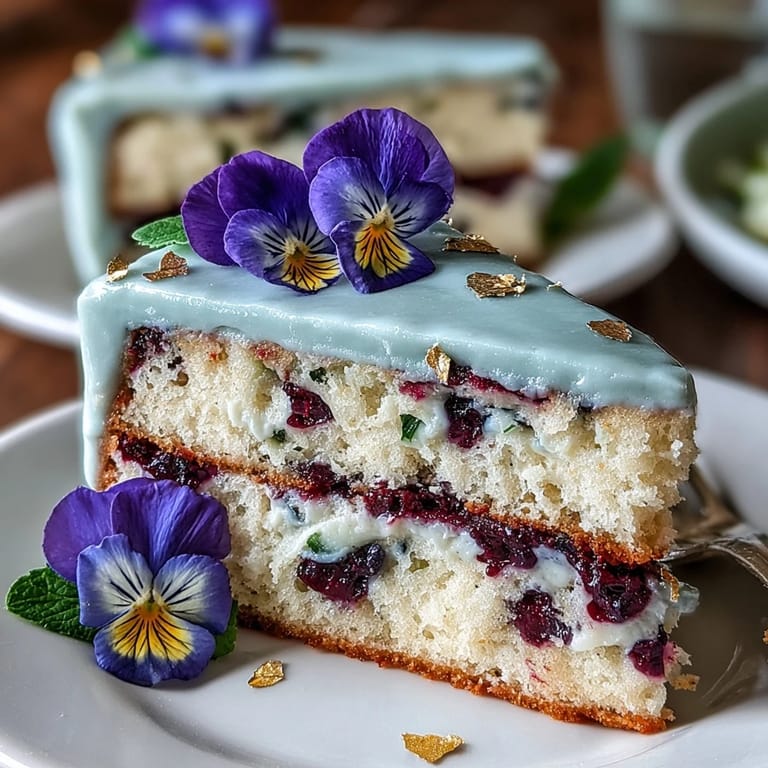
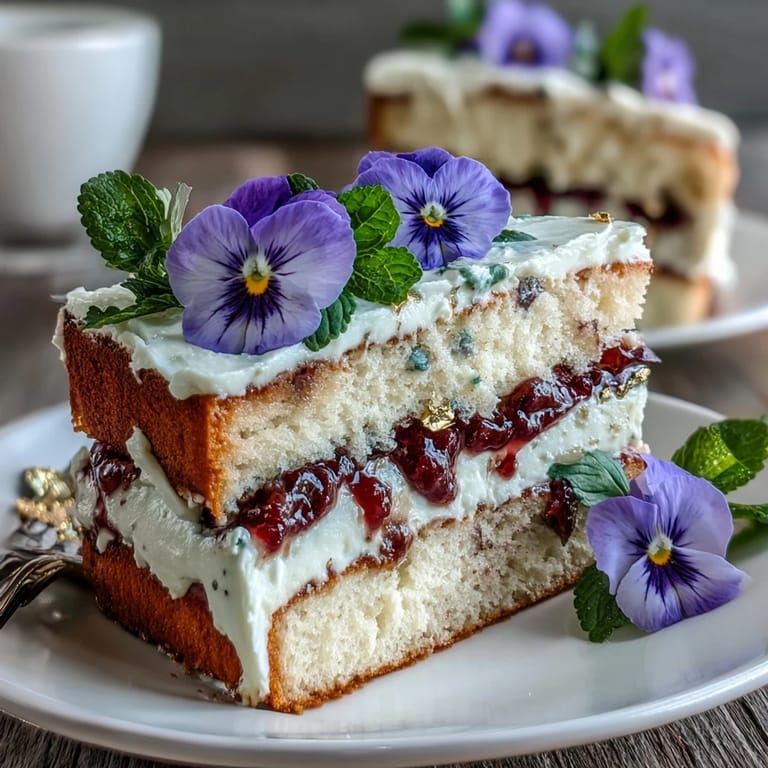
I'll never forget watching my cousin's face when she saw the finished cake sitting on her dining table the morning of graduation. The gold leaf caught the morning light streaming through the kitchen window, and the flowers seemed to glow. She cried a little, which made my sister cry, and then we all stood there taking photos like it was a work of art rather than something I'd made in my apartment.
Ingredients
- All-purpose flour: The foundation of everything—make sure it's fresh and sift it if you have time, though honestly, whisking it works fine too.
- Baking powder: Double-check your pantry's expiration date, because old leavening agents are the silent killer of beautiful cakes.
- Unsalted butter: Room temperature is non-negotiable here; cold butter won't cream properly and you'll end up with a dense cake that defeats the whole purpose.
- Granulated sugar: This dissolves into the butter to create that airy crumb, so don't skip the creaming step no matter how impatient you feel.
- Large eggs: Also room temperature—they incorporate more smoothly and help create the tender texture that makes people close their eyes when they take a bite.
- Vanilla extract: Real vanilla tastes noticeably better, especially in a simple cake where it's actually a starring ingredient.
- Whole milk: This keeps the crumb moist without making it dense, and it creates a beautiful tender structure.
- Egg whites for buttercream: These need to be impeccably clean—one speck of yolk will sabotage everything, so separate them carefully.
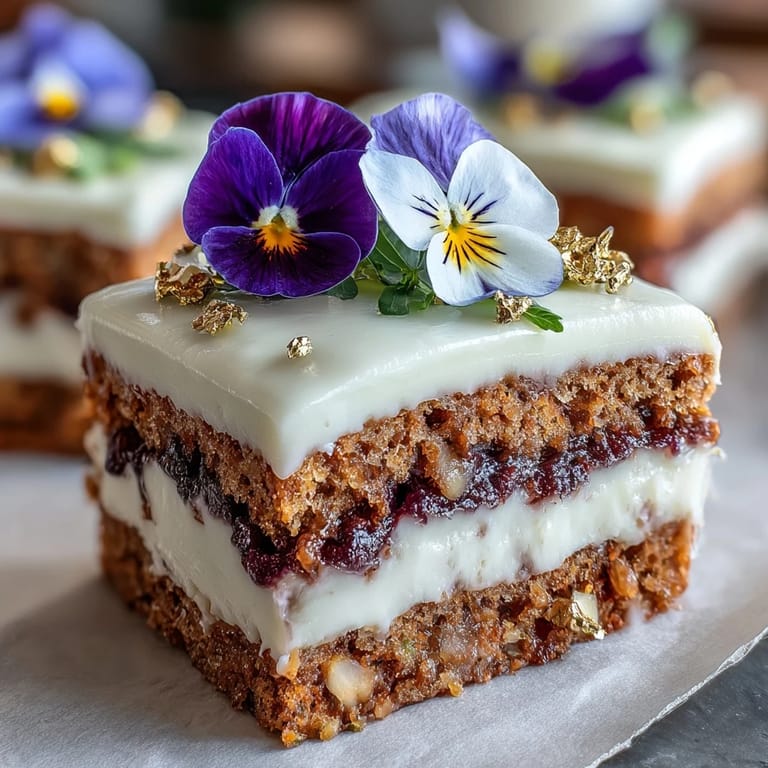
- Edible flowers: This is where you show off; choose pansies, violets, or roses from a trusted source where you know they weren't sprayed with anything nasty.
- Edible gold leaf: It's not actually edible in the traditional sense, but it's food-safe and makes people gasp, so it's worth every penny.
Tired of Takeout? 🥡
Get 10 meals you can make faster than delivery arrives. Seriously.
One email. No spam. Unsubscribe anytime.
Instructions
- Set up your stage:
- Preheat the oven to 350°F and grease three 8-inch round pans like you're about to bake something important, because you are. Lining them with parchment paper saves you from the heartbreak of a cake stuck to the bottom.
- Mix the dry ingredients:
- Whisk together the flour, baking powder, and salt in a bowl and set it aside—this step takes thirty seconds but prevents lumps later.
- Cream the butter and sugar:
- Beat the room-temperature butter and sugar together until it's pale, fluffy, and looks like clouds; this usually takes about three minutes and is where the magic of a tender crumb begins. Don't rush this part; your patience here directly affects the final texture.
- Add the eggs one at a time:
- Drop each egg in and beat until it's fully incorporated before adding the next one, then mix in the vanilla extract. This prevents the batter from breaking and keeps everything emulsified.
- Alternate wet and dry ingredients:
- Start with the flour mixture, add some milk, then more flour, ending with flour—this technique keeps the batter smooth and prevents overmixing. Stir just until you don't see any flour streaks; overmixing develops gluten and makes the cake tough.
- Divide and bake:
- Divide the batter evenly among the pans and smooth the tops, then bake for 28 to 32 minutes until a toothpick comes out clean. The kitchen will smell like butter and vanilla in the most encouraging way possible.
- Cool with patience:
- Let the cakes cool in the pans for ten minutes so they set slightly, then turn them out onto wire racks to cool completely. Rushing this step means a crumbly mess when you try to layer them later.
- Make the Swiss meringue buttercream:
- Combine the egg whites and sugar in a heatproof bowl over simmering water and whisk constantly until the sugar dissolves and the mixture reaches 160°F, which takes about five minutes and protects against food safety concerns. This heating step is what makes this buttercream special and safe.
- Whip to stiff peaks:
- Transfer the mixture to a stand mixer and beat on high for eight to ten minutes until stiff peaks form and the bowl feels cool to the touch. You'll know it's ready when you lift the beaters and the peaks stand straight up like little mountains.
- Add the butter carefully:
- Reduce the speed to medium and add the butter a few cubes at a time, letting each piece incorporate before adding the next. If the mixture looks broken or greasy, don't panic—keep mixing; it'll come together into something silky and perfect.
- Season and set aside:
- Mix in the vanilla extract and a pinch of salt, which brightens the buttercream and keeps it from tasting overly sweet.
- Layer and crumb coat:
- Place one cake layer on your serving plate and spread buttercream on top, then repeat with the remaining layers. Apply a thin crumb coat first—this catches all the crumbs—then chill for twenty minutes before adding the final smooth layer of buttercream.
- Apply the gold leaf:
- Using a food-safe paintbrush, carefully place the edible gold leaf onto sections of the cake where the buttercream is still slightly tacky. Work gently; this is delicate work that rewards a light touch.
- Arrange the flowers:
- Place your edible flowers decoratively on the cake, and if you want, wrap a gold ribbon around the base for extra elegance. Step back and admire what you've created.
 Save
Save What stuck with me most wasn't the decorating or the compliments—it was my cousin pulling me aside later that evening and saying the cake tasted like love, which is the kind of thing that sounds cheesy until someone you care about actually says it to you. That's when I understood that the gold and flowers weren't really the point; the point was showing up with something handmade in a world that increasingly offers shortcuts.
The Secret of Silky Buttercream
Swiss meringue buttercream intimidates people because it looks like it's failing when you're halfway through making it. The mixture breaks, it looks oily and separated, and your first instinct is to throw it away and order from a bakery instead. But here's what I learned: that broken-looking stage is actually just the process working itself out, and if you keep that mixer running on medium speed, the emulsion will come back together into something smoother and less heavy than American buttercream, with a subtle vanilla flavor that doesn't overwhelm the delicate cake.
Sourcing Your Edible Flowers
The difference between a beautiful cake and an Instagram-worthy cake is often just edible flowers, but they're also the easiest way to accidentally poison someone if you're not careful. I learned this the hard way when I almost used flowers from my backyard before remembering that my neighbor sprays everything. Now I order edible flowers from specialty food suppliers or farmers markets where I can actually ask how they were grown, and I've never looked back.
Timing and Temperature Mastery
Baking this cake is as much about temperature as it is about technique, and I've learned that the few extra minutes it takes to let butter and eggs come to room temperature actually saves you hours of frustration. Cold ingredients don't incorporate smoothly, which means your batter stays lumpy and dense, and no amount of beautiful decorating can fix what's broken inside.
- Always pull butter and eggs out of the refrigerator at least one hour before baking, or place them in a warm water bath for a few minutes if you're in a rush.
- The oven temperature matters too—use an oven thermometer to verify that 350°F is actually 350°F, because some ovens run hot or cold and that affects baking time.
- Insert the toothpick test in the center of the thickest cake layer to ensure the bake is complete, not just checking the edges where cakes cook faster.
 Save
Save This cake taught me that elegance doesn't require fancy equipment or years of experience; it just requires showing up with care and patience. Whether you're celebrating a graduation or just want to impress people who matter to you, this is the cake that proves homemade is worth the effort.
Recipe FAQs
- → What is the best way to apply gold leaf to the cake?
Use a food-safe paintbrush to gently lift and place the delicate gold leaf sheets onto the cake surface, avoiding excessive handling to prevent tearing.
- → Can I prepare the vanilla sponge in advance?
Yes, baking the sponge layers a day ahead and storing them wrapped tightly keeps them moist and makes assembly easier.
- → How should the Swiss meringue buttercream be stored?
Store it in an airtight container in the refrigerator and bring to room temperature before spreading for a smooth finish.
- → Are there alternatives to the vanilla sponge base?
A chocolate variation can be made by replacing half a cup of flour with cocoa powder for a richer flavor.
- → What types of edible flowers are recommended?
Choose pesticide-free flowers labeled edible such as pansies, violets, and roses to safely complement the cake’s look and taste.