 Save
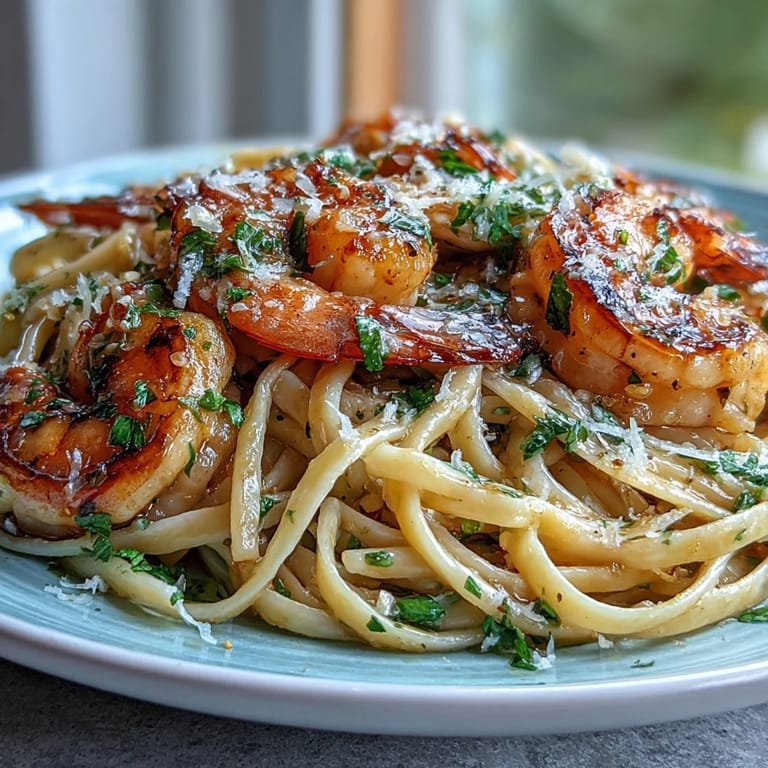
Save The aroma of garlic swirling through the air, mingling with sizzles from a skillet, will always remind me of putting together Shrimp Scampi Linguine on a gray Tuesday that called for a splash of something brighter. I wasn’t planning a culinary showstopper a simple dinner beckoned but that combination of butter, lemon, and wine felt suddenly celebratory. The best part? Every clink of the pasta fork against the pan turned the kitchen into a little Italian bistro, music optional. As I pulled a taste test noodle, the sauce glistened and I knew this was more than just a quick weeknight fix. The first bite convinced me I'd found the kind of dish I'd want to share whenever the mood struck.
One spring night, my housemate and I experimented with this dish after a spontaneous trip to the seafood counter, not realizing shrimp scampi would become our unofficial way to kickstart warm-weather evenings. We laughed over slippery noodles and snuck bites straight from the pan while balancing glasses of chilled Pinot Grigio. That batch in particular confirmed that the best meals sometimes happen when you follow your cravings, not a plan.
Ingredients
- Large shrimp: Freshly peeled and deveined shrimp are the star—dry them well so they sear instead of steam.
- Linguine: Choose a quality pasta that holds sauce well, and always salt your water generously for extra flavor.
- Unsalted butter: Lets you control the salinity while adding irresistible richness to the sauce.
- Extra-virgin olive oil: Using good oil enhances the depth of the sauce without overpowering the shrimp.
- Garlic: Mince it finely for even cooking—a microplane makes this quick work.
- Crushed red pepper flakes: Optional, but just a pinch can wake up the whole dish.
- Dry white wine: Look for something crisp like Sauvignon Blanc and avoid overly sweet varieties.
- Lemon (zest and juice): Zest brings brightness, juice sharpens the flavors—add both to amplify freshness.
- Fresh parsley: Chopped at the end, it supplies a grassy punch and vibrant color.
- Salt and black pepper: Season in layers, tasting as you go for best results.
- Grated Parmesan (optional): Shaved over the top, it adds a nutty finish but let guests add to their taste since it can mask the lemon.
- Lemon wedges: A squeeze just before serving heightens every fresh flavor.
Tired of Takeout? 🥡
Get 10 meals you can make faster than delivery arrives. Seriously.
One email. No spam. Unsubscribe anytime.
Instructions
- Make a pasta bath:
- Fill your largest pot generously with water, adding salt until it tastes almost like the sea. Drop in the linguine and stir occasionally, cooking until perfectly al dente before draining—save a mugful of the pasta water for later.
- Prep the shrimp:
- Lay the shrimp on paper towels to dry and toss them in just a little salt and pepper. You want them crisp and juicy when they hit the hot pan.
- Sauté aroma magic:
- Heat butter and olive oil in a wide skillet over medium-high. When the foam subsides, toss in minced garlic and red pepper, swirling until the kitchen fills with that unmistakable scent—just a minute or so.
- Sear the shrimp:
- Drop shrimp into the skillet in a single layer. Let them pink up for 1–2 minutes per side, then scoop them back onto a plate so they don't overcook.
- Deglaze and simmer:
- Pour the wine into the hot skillet, scraping every lovely brown bit from the bottom. Simmer until the bubbles slow and the liquid reduces just a touch, about 2–3 minutes.
- Lemon finish:
- Lower the heat, then stir in lemon juice and zest—it should smell sharp and citrusy right away.
- Toss it all together:
- Add drained linguine back into the skillet, tossing with tongs so the noodles shine with the fragrant sauce. Splash in reserved pasta water if it needs loosening.
- Final mix and finish:
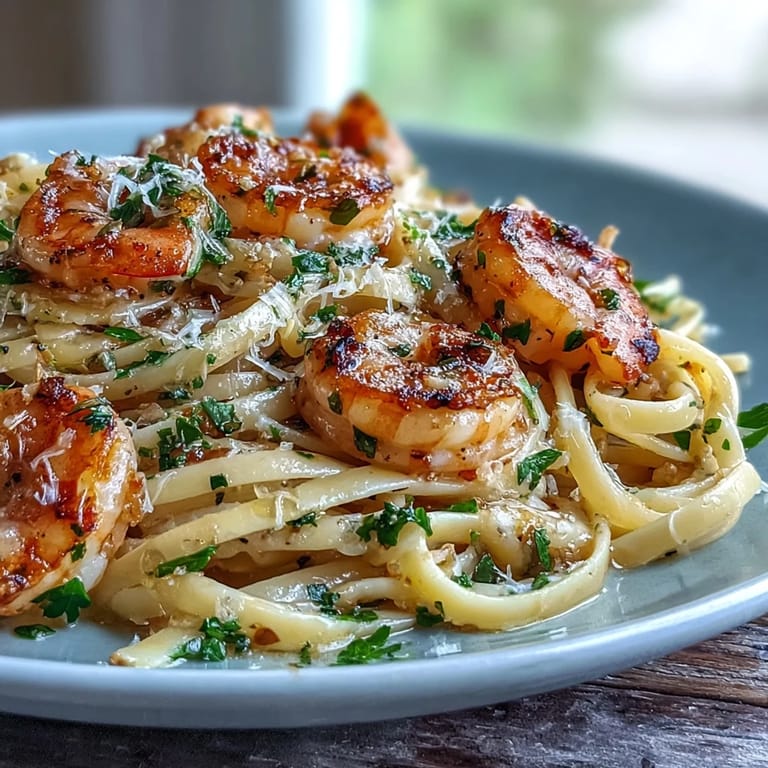
- Return shrimp, sprinkle over half the parsley, and gently toss until everything is evenly coated and piping hot. Taste, tweak the seasoning, then serve up straight away, showered with parsley, Parmesan, and fresh lemon wedges if you like.
 Save
Save This recipe surprised me the first time friends lingered around the kitchen, forks in hand, competing for seconds before we’d even reached the table. There was something quietly triumphant about a dish that made everyone pause, mid-conversation, just to savor another mouthful.
Making the Most of Your Pasta Water
I used to forget to reserve pasta water, and wondered why my scampi sometimes seemed dry and clumpy—the starchy water is the behind-the-scenes hero. It quietly pulls everything together, helping the silkiness stick to every strand. Don’t be shy about adding an extra splash if the noodles soak up more sauce than planned.
Adjusting for Your Crowd
Sometimes I swap in fettuccine or spaghetti, especially when that’s what I’ve got on hand. If your friends crave spice, sprinkle in extra red pepper flakes at the end—it makes a world of difference. This recipe scales up easily for a crowd, just work in batches for shrimp so they get that satisfying sizzle.
Last Touches that Make the Meal
Serving lemon wedges at the table lets everyone brighten their bowl their own way, so don’t skip them. I learned to finish the pan with a knob of butter if I want a richer gloss. A glass of something crisp really does bring it all together at the table.
- If prepping ahead, chop parsley and zest your lemon early but juice right before adding.
- Warming plates for serving keeps lingering bites just as delicious.
- Taste before adding extra salt—Parmesan can tip the balance quickly.
 Save
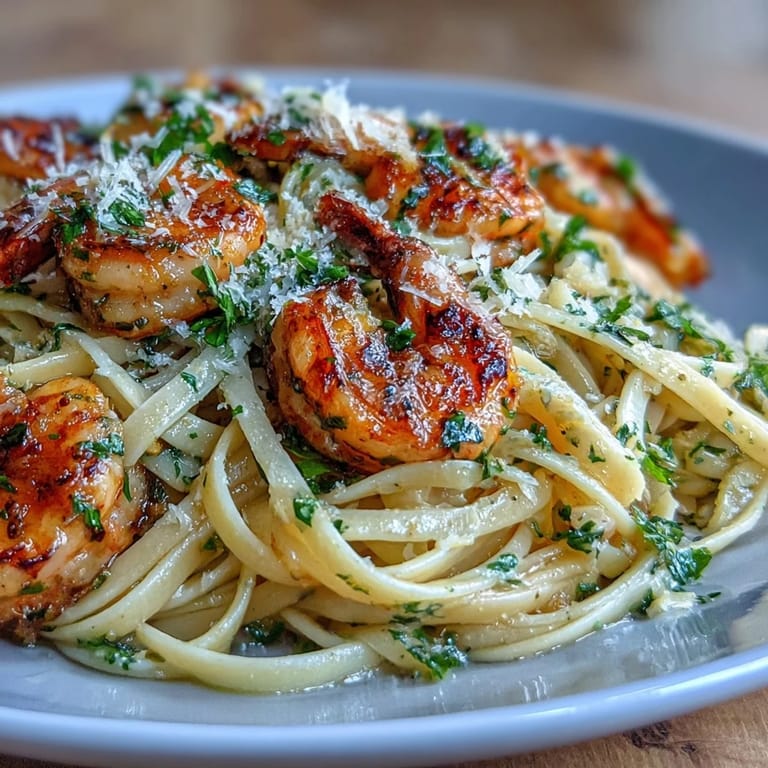
Save Shrimp scampi linguine might seem fancy, but the joy is in how easy it is to make your own. Any night can feel just a little more special for sharing it, even if it’s only with yourself.
Recipe FAQs
- → How do I prevent shrimp from overcooking?
Pat shrimp dry, season lightly, and cook over medium-high heat in a hot pan. Sear 1–2 minutes per side until opaque and just firm; remove from heat promptly to avoid rubberiness and allow for slight carryover cooking.
- → Which wines work best for the sauce?
Choose a dry white like Pinot Grigio, Sauvignon Blanc, or Unoaked Chardonnay. If you prefer no alcohol, use low-sodium chicken or seafood stock with a splash of white wine vinegar or lemon to mimic the acidity.
- → Can I swap the pasta shape?
Yes. Spaghetti, fettuccine, or bucatini all pair well—choose a strand pasta that holds the buttery, wine-forward sauce and cook it to al dente before tossing.
- → How can I add more heat?
Increase crushed red pepper flakes to taste or add a pinch of cayenne. For fresh heat, finely slice a red chile and sauté with the garlic to infuse the oil.
- → What’s the best way to reheat leftovers?
Store pasta and shrimp separately if possible. Reheat gently in a skillet over low heat with a splash of water or stock, tossing until heated through to preserve texture and prevent drying.
- → How do I make the sauce richer and silkier?
Finish the sauce off the heat with a tablespoon of cold butter, whisking until emulsified. Stirring in a small handful of grated Parmesan also adds body and a savory finish.