 Save
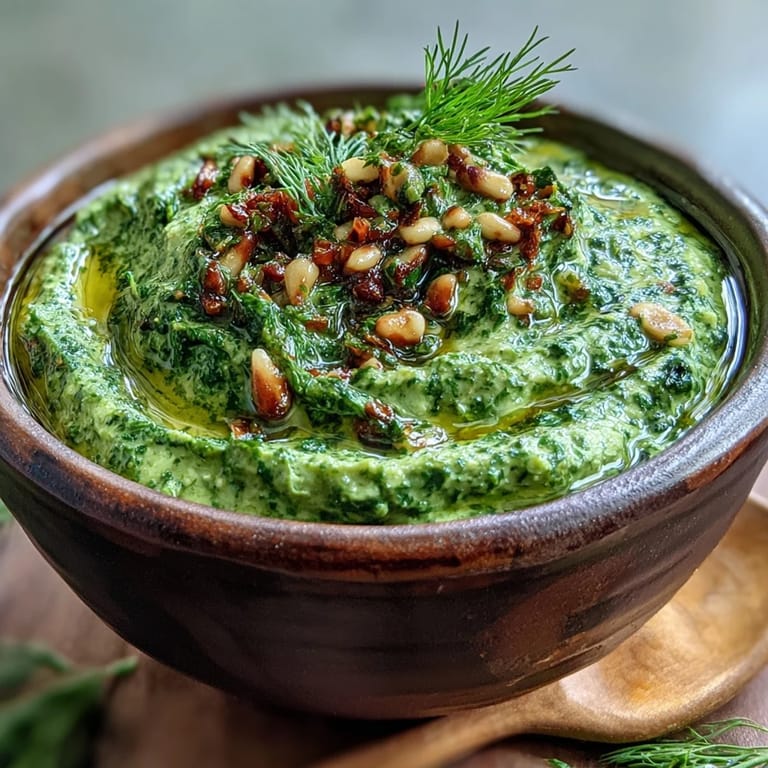
Save My neighbor tossed a handful of dandelion greens over the fence one spring morning, insisting they were meant for more than just salad. That afternoon, I found myself toasting pine nuts in my cast iron skillet, filling the kitchen with a smell so nutty and warm that my partner wandered in asking what smelled like a forest fire in the best way possible. By the time I blended those bitter greens with garlic and olive oil, I understood what she meant. This pesto became the bridge between my backyard weeds and something genuinely delicious.
I made this for a potluck once, nervous about serving foraged greens to people who'd never had dandelion before. The jar sat there untouched for twenty minutes until someone brave enough tried it on a cracker, then suddenly everyone was crowding around asking for the recipe. That pesto taught me that people are braver eaters than we give them credit for, especially when something tastes this good.
Ingredients
- Fresh dandelion greens: Look for young, tender leaves before the plant flowers; older greens get aggressively bitter, which is part of their charm but can be overwhelming if you're new to them.
- Pine nuts: Toast them yourself rather than buying pre-toasted because the difference between alive and stale is the entire flavor profile of this sauce.
- Parmesan cheese: Grate it fresh from a wedge and you'll taste the difference immediately in the sharpness and texture.
- Extra-virgin olive oil: This is not the moment to use the budget bottle; the oil carries the entire flavor of the finished pesto.
- Garlic cloves: Use just two unless you want to clear a room with your breath at tomorrow's meeting.
- Lemon juice: Squeeze it fresh because bottled versions taste thin and sad compared to what a half lemon gives you.
Tired of Takeout? 🥡
Get 10 meals you can make faster than delivery arrives. Seriously.
One email. No spam. Unsubscribe anytime.
Instructions
- Toast the pine nuts until they're golden and fragrant:
- Listen for the moment they start to smell nutty and watch closely because they go from perfect to burnt in about thirty seconds. Let them cool on a plate so they don't keep cooking in the hot pan.
- Pulse the greens with cheese and garlic:
- Don't overthink this step; you're just breaking everything down into smaller pieces before the oil goes in. A few pulses at a time keeps you from turning things into a paste.
- Stream in the olive oil slowly while blending:
- This is where patience matters because rushing creates an broken sauce that separates. The gradual addition helps the oil emulsify into everything else, creating something creamy and stable.
- Season and taste as you go:
- Salt lifts the dandelion's natural bitterness in a good way, and lemon adds brightness that keeps the pesto from feeling heavy. Adjust both until it tastes like something you genuinely want to eat.
- Transfer to a jar and taste one more time:
- Sometimes flavors shift after everything combines, so give it one final check before storing or serving.
 Save
Save There's something almost ceremonial about making pesto by hand or with a food processor, watching separate ingredients transform into something unified and complex. One Sunday, my mother tasted this and asked if I'd learned to cook fancy, not realizing that the fancy part was just paying attention to each ingredient and letting them talk to each other.
Where This Pesto Belongs
I've tossed this with warm pasta and cracked black pepper, watched it melt slightly and coat every strand with color and complexity. I've spread it thick on toast for lunch and thin over roasted carrots as a finish, and I've even whisked it into mayonnaise to make sandwiches taste like something you didn't just assemble in five minutes. Each application feels different because dandelion pesto has enough character to taste like the star, not a supporting player.
The Dandelion Question
The first time someone asked where I got my dandelion greens, I hesitated to say my own yard because we've been taught that dandelions are weeds, enemies of the lawn. But they're actually one of the most nutritious greens you can eat, free for the harvesting if you have untreated grass, and they taste like actual green things rather than the mild salad leaves we're used to. Once you make pesto with them, you'll start noticing them everywhere and wondering how many meals have been walking around your neighborhood.
Storage and Keeping
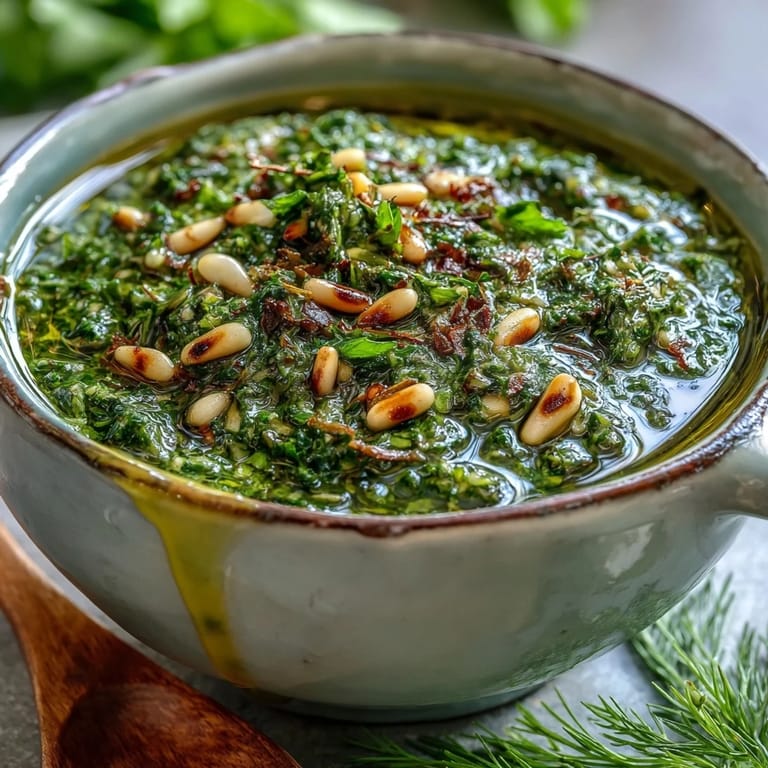
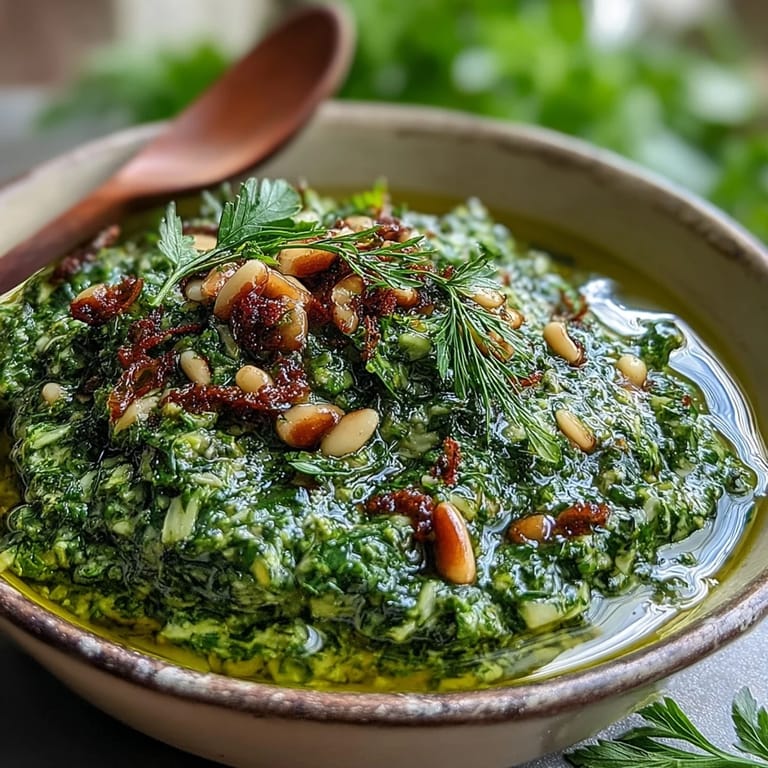
This pesto keeps in the refrigerator for about a week in a sealed jar, though I've never had it last that long because it gets used up quickly. You can freeze it in ice cube trays for longer storage, though the texture becomes slightly grainier after thawing, but the flavor remains strong and reliable. One thing I've learned is to store it under a thin layer of olive oil because it keeps the top from browning and oxidizing in the cold.
- Save a cube or two in the freezer for emergency weeknight dinners when you need something fast and impressive.
- If it hardens up in the cold, let it come to room temperature for ten minutes and it loosens right back up.
- Make this twice a season when dandelion greens are at their best, not when you can barely find them at the market.
 Save
Save This pesto sits somewhere between home cooking and something you'd pay twelve dollars for at a fancy market, except you made it with your own hands and paid nearly nothing. That's the kind of food that sticks with people.
Recipe FAQs
- → How can I reduce the bitterness of dandelion greens?
Blanch the dandelion greens in boiling water for a minute, then drain and cool them before blending to soften the bitterness.
- → Can I substitute pine nuts with other nuts?
Yes, walnuts or almonds can be toasted and used as alternatives, offering a different but complementary flavor.
- → Is it possible to make this without cheese?
Omit the cheese or replace it with nutritional yeast for a vegan-friendly version that still provides a savory depth.
- → What dishes pair well with this blend?
It works wonderfully tossed with pasta, spread on toast, or drizzled over roasted vegetables for extra flavor.
- → How should this be stored after preparation?
Keep the blend covered in the refrigerator for up to one week to maintain freshness and flavor.