 Save
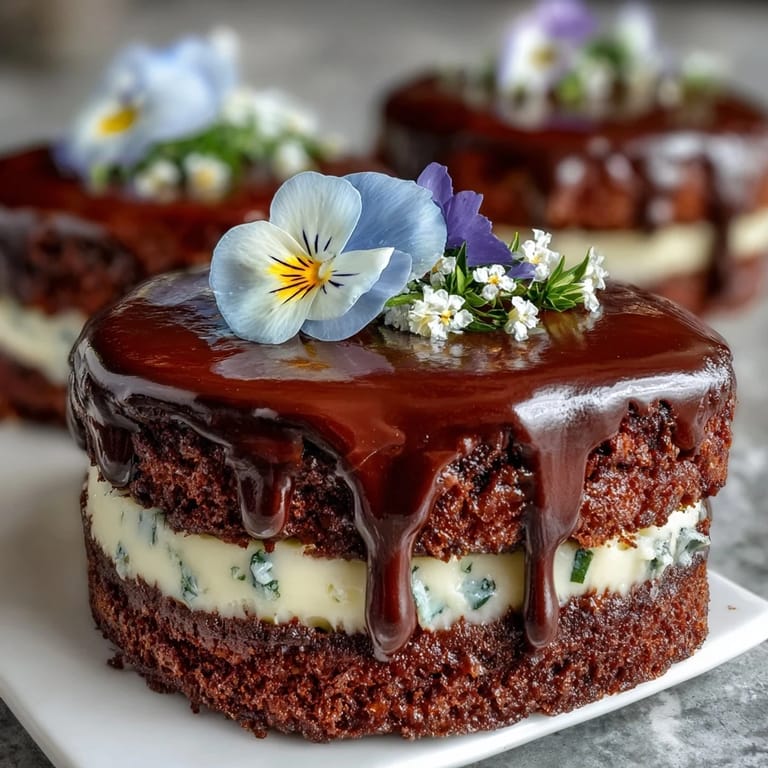
Save My neighbor's garden burst into bloom the afternoon she asked me to bake something for her spring tea party, and watching those first tulips unfold outside my kitchen window gave me the wild idea to make a cake that matched the moment. Lemon frosting came naturally—bright, cheerful, impossible to ignore—but it was the white chocolate drip and those edible flowers that transformed it from just another layer cake into something that actually felt like spring on a plate. There's something about combining soft vanilla sponge with zesty citrus that makes people pause mid-conversation and actually taste what they're eating. This cake has since become my go-to for celebrations that deserve a little extra magic, the kind where presentation matters as much as flavor.
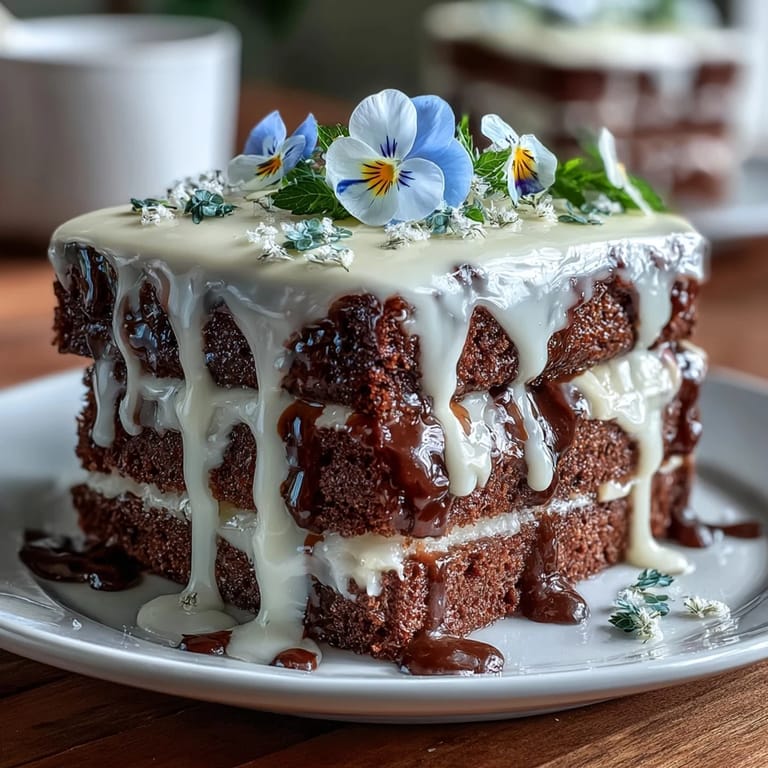
I baked this for a friend who'd moved back to town after years away, and watching her face when she saw those violets cascading across the top told me everything—some desserts are just desserts, but this one became part of the reunion itself. She still mentions it, which means more to me than any compliment about the crumb structure.
Ingredients
- All-purpose flour: Room temperature matters here more than you'd think; cold flour can make your batter gritty, so pull it from the cupboard ahead of time.
- Unsalted butter: Softened, not melted—this is what gives the cake its tender crumb and that slight spring when you bite into it.
- Granulated sugar: The creaming process with butter should take a full 3–4 minutes; rushing this step loses air and density in your final cake.
- Eggs at room temperature: Cold eggs refuse to incorporate smoothly and can make your batter look curdled and sad.
- Vanilla extract: Real vanilla makes a noticeable difference here, especially since this cake relies on subtle flavors rather than chocolate or spice to shine.
- Whole milk at room temperature: The acid in milk helps activate baking powder, so don't skip the temperature requirement.
- Powdered sugar for frosting: Sift it before adding—lumps hide in frosting and create a grainy texture that catches your teeth.
- Fresh lemon juice and zest: Fresh is non-negotiable; bottled lemon juice tastes flat and slightly chemical against delicate frosting.
- White chocolate chips: Chopped finely ensures even melting and prevents grainy texture when combined with cream.
- Heavy cream for ganache: This is your insurance policy against seizing white chocolate; heat it properly and the whole process becomes foolproof.
- Edible flowers: Source these from specialty grocers or farmers markets where you can verify they're pesticide-free; online flower suppliers intended for arrangements are often treated and absolutely not food-safe.
Tired of Takeout? 🥡
Get 10 meals you can make faster than delivery arrives. Seriously.
One email. No spam. Unsubscribe anytime.
Instructions
- Prepare your pans and preheat:
- Set your oven to 350°F and get three 8-inch pans ready with parchment circles cut to fit the bottoms. Greasing the sides helps the parchment stay put, and this prep work done early means you're never scrambling when batter is ready to go.
- Combine dry ingredients:
- Whisk flour, baking powder, and salt together in a medium bowl, breaking up any lumps in the baking powder. This distributes the leavening evenly so your cake rises uniformly across all three layers.
- Cream butter and sugar until clouds form:
- Beat softened butter with granulated sugar for 3–4 minutes until the mixture looks pale, fluffy, and almost cloud-like. This process incorporates air that the eggs will trap, creating the lift that makes layer cakes tender rather than dense.
- Add eggs one at a time:
- After each egg, beat until the mixture looks smooth again before adding the next one. Rushing through this step or dumping all eggs at once can cause the batter to split and look grainy.
- Mix in vanilla, then alternate wet and dry:
- Stir vanilla extract into the creamed mixture, then add flour and milk alternately, starting and ending with flour—this pattern matters because it prevents overworking and keeps gluten development in check. Use a rubber spatula for the final folding to avoid deflating those air pockets you worked hard to create.
- Divide and bake with patience:
- Pour batter evenly into prepared pans using a scale if you're serious about even layers, then bake 25–30 minutes until a toothpick comes out clean. The cakes should smell buttery and vanilla-sweet, and the edges should just barely pull away from the pan sides.
- Cool properly for frosting success:
- Let cakes sit in pans for 10 minutes so they set slightly, then turn them out onto wire racks to cool completely. Frost warm cake and you'll end up with soft, sliding layers; patience here prevents structural collapse.
- Make lemon frosting with precision:
- Start with creamy butter, add sifted powdered sugar gradually while beating to avoid lumps, then mix in lemon juice and zest. Add milk just enough to reach a spreadable consistency—too much and frosting breaks, too little and it tears the cake.
- Layer and frost with confidence:
- Place one cool cake layer on your serving plate, add frosting, repeat with second layer, then frost sides and top smoothly. An offset spatula dipped in warm water smooths frosting without dragging cake crumbs into it.
- Create white chocolate ganache:
- Heat heavy cream until you see steam and small bubbles at the edges—boiling breaks the emulsion—then pour it over chopped white chocolate and let it sit 2 minutes untouched. Stir gently until smooth, then cool until thick enough to drip without running off immediately.
- Drip and decorate with artistry:
- Using a spoon or squeeze bottle, let ganache drip down the cake sides in loose trails, then spread remaining ganache across the top. Top with edible flowers arranged casually rather than perfectly—natural looks intentional, while too-neat arrangements look staged.
 Save
Save There's a moment when three layers come together with frosting as the glue and you realize you've created something beautiful enough to give people pause, something that tastes as good as it looks. That's when this cake stops being a recipe and becomes a reason to gather.
Why Lemon Frosting Belongs on Spring Cakes
Chocolate frosting would mask the delicate vanilla sponge, but lemon frosting amplifies it, creating brightness without sharpness. The citrus cuts through richness perfectly, leaving your palate ready for another bite rather than cloyed and done. I learned this by accident when I ran out of cream cheese frosting and grabbed lemons from the fruit bowl—happy accidents often teach you more than careful planning.
The Science of White Chocolate Drips
White chocolate is finicky because it contains cocoa butter without cocoa solids, which means it burns easily and seizes around moisture. But understand this one thing—cream and chocolate together create an emulsion that's actually quite stable once you respect the basic rules. Heat cream gently, pour it over chopped chocolate, let them marry quietly for two minutes, then stir until glossy. If you catch yourself trying to force it or rushing, you've already lost.
Edible Flowers and the Trust Factor
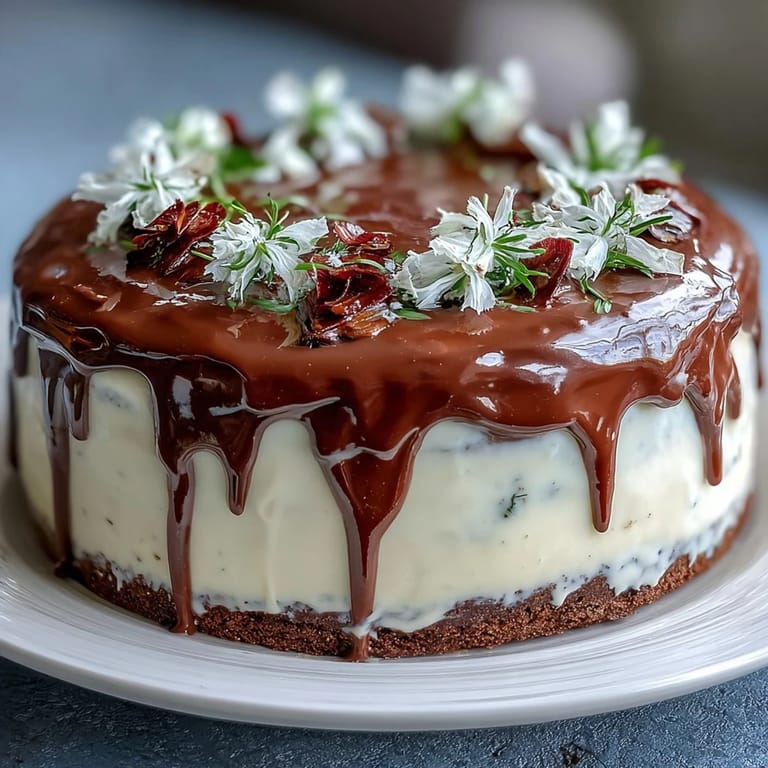
I once decorated a cake with gorgeous purple flowers from a florist before realizing they'd been treated with pesticides meant to keep them fresh for weeks—a mistake that taught me that beautiful doesn't always mean safe. Now I source edible flowers exclusively from grocery stores with specific edible flower sections, farmers markets where I can ask questions, or specialty baking suppliers with clear sourcing information. The difference in flavor is subtle but real, and peace of mind is priceless.
- Violets, pansies, and rose petals are the safest choices and most readily available for baking.
- Always verify your source and ask directly if flowers are pesticide-free and food-safe.
- Decorate shortly before serving since flowers lose freshness and can wilt in warm kitchens.
 Save
Save This cake asks for a moment—time to prepare properly, ingredients at proper temperatures, and flowers chosen with care. It rewards that attention with something truly special, the kind of dessert that lingers in conversation long after the last crumb disappears.
Recipe FAQs
- → How do I ensure the cake layers bake evenly?
Use three equal pans and divide the batter evenly. Bake at 350°F and test with a toothpick to confirm doneness for uniform layers.
- → What is the best way to get a smooth lemon frosting?
Beat softened butter until creamy, then gradually add sifted powdered sugar, mixing thoroughly before adding fresh lemon juice and zest for a smooth texture.
- → How can I create the white chocolate drip without it breaking?
Heat heavy cream until just simmering, pour over chopped white chocolate, then stir slowly until smooth. Cool to a pourable consistency before applying.
- → Are there alternatives to edible flowers for decoration?
Consider using sprinkles or extra lemon zest for a colorful and flavorful garnish that complements the cake’s flavors.
- → Can this cake be prepared ahead of time?
Yes, it can be stored in the refrigerator for up to 3 days. Bring to room temperature before serving for best texture and flavor.