 Save
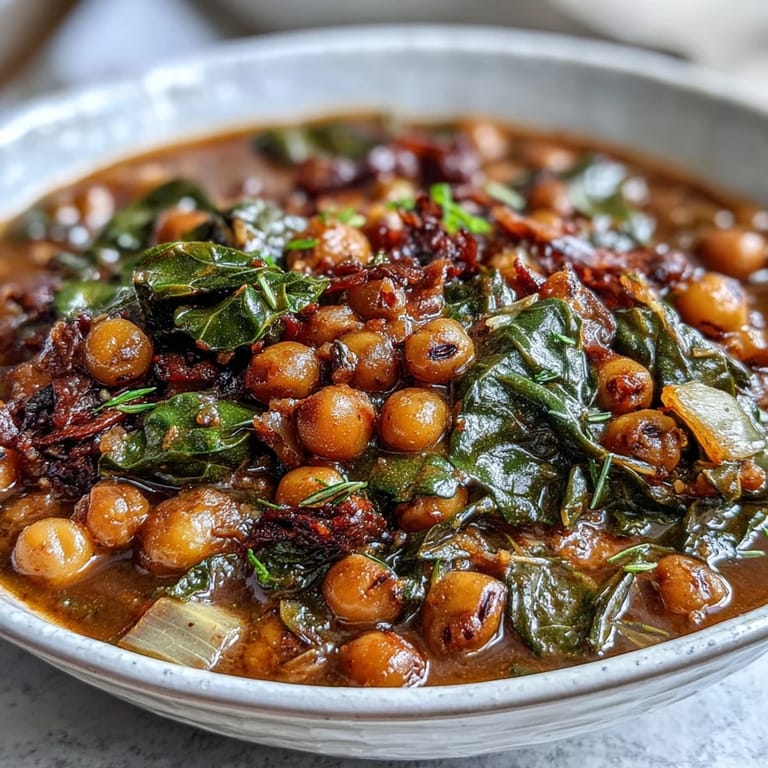
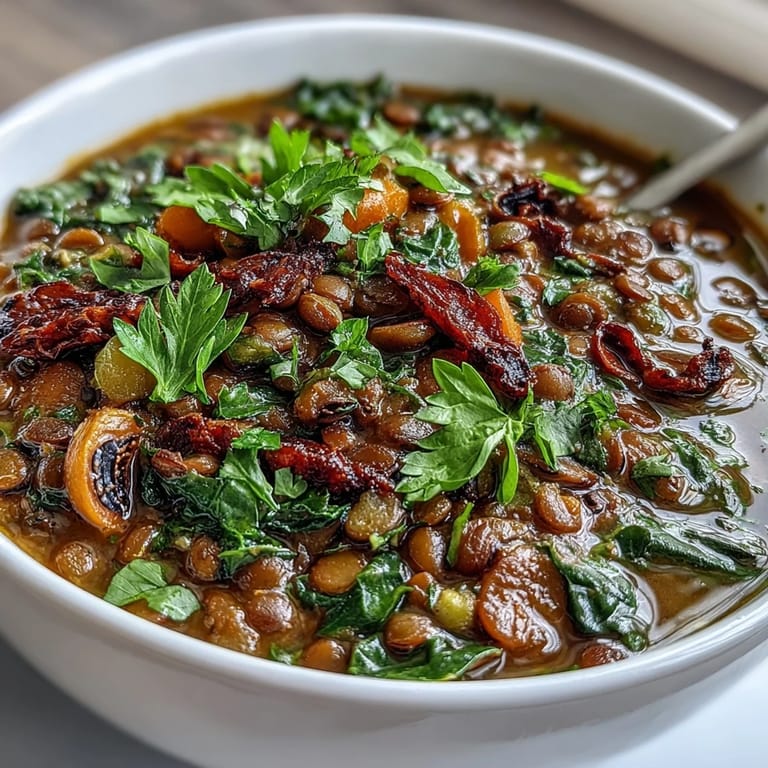
Save My grandmother's kitchen always smelled like this stew on the first cold snap of fall, when she'd pull out her worn Dutch oven and start chopping vegetables without measuring anything. She never wrote down proportions, but somehow the stew always tasted like home—deep, smoky, and impossibly comforting. Years later, I finally asked her to show me, and what emerged was this soul food classic: black-eyed peas and collard greens in a broth so flavorful it makes you forget how simple the ingredients really are.
I made this for a potluck once when I was running late, ladled it into a thermos, and arrived thinking nobody would give it a second glance. By the end of the evening, the pot was scraped clean and three people asked for the recipe. That's when I realized this stew has a quiet power—it doesn't announce itself, but once people taste it, they understand why families have been making it for generations.
Ingredients
- Olive oil: The base for building flavor, and two tablespoons is the right amount to coat the pot without making the stew greasy.
- Yellow onion, carrots, and celery: This is your flavor foundation, the holy trinity of Southern cooking that gives depth without announcing itself.
- Garlic: Three cloves minced fine means it dissolves into the broth instead of leaving harsh chunks.
- Jalapeño: Optional, but it adds a gentle warmth that rounds out the earthiness of the greens and peas.
- Collard greens: Buy them fresh if you can and remove the tough center stems, which keep them from becoming truly tender no matter how long you cook.
- Canned diced tomatoes: The acidity brightens everything and keeps the stew from feeling one-note.
- Black-eyed peas: Canned works beautifully if you rinse them first, though dried peas soaked and cooked yourself taste slightly earthier.
- Vegetable broth and water: Low-sodium broth lets you control the salt, which matters here since everything else gets concentrated as the stew simmers.
- Smoked paprika: This is the secret player—it gives that smoky depth that makes people think there's meat in here even when there isn't.
- Dried thyme: More delicate than oregano, it whispers into the background instead of dominating.
- Cayenne pepper: Start with half a teaspoon and taste as you go, since heat builds as the stew sits.
- Bay leaves: Two of them infuse the broth with subtle herbal notes that you can't quite identify but absolutely taste.
- Apple cider vinegar: Added at the end, it lifts the whole stew and makes the flavors pop without tasting vinegary.
Tired of Takeout? 🥡
Get 10 meals you can make faster than delivery arrives. Seriously.
One email. No spam. Unsubscribe anytime.
Instructions
- Build your flavor base:
- Heat the olive oil over medium heat and add your diced onion, carrots, celery, and jalapeño if you're using it. Let them soften for 6 to 8 minutes, stirring occasionally, until the onion turns translucent and the whole pot smells golden and inviting.
- Wake up the garlic:
- Add your minced garlic and cook for just one minute until fragrant, being careful not to let it brown or it'll turn bitter and sour.
- Toast the spices:
- Stir in the smoked paprika, thyme, cayenne if using it, salt, and black pepper, and let them cook for a minute so they release their oils and deepen in flavor.
- Wilt the greens:
- Add the chopped collard greens and stir for a few minutes as they begin to soften and release their moisture, a signal that they're ready for the broth.
- Bring it together:
- Pour in the tomatoes with their juices, your black-eyed peas, the broth, water, and bay leaves, stirring everything until it's evenly combined.
- Let it simmer:
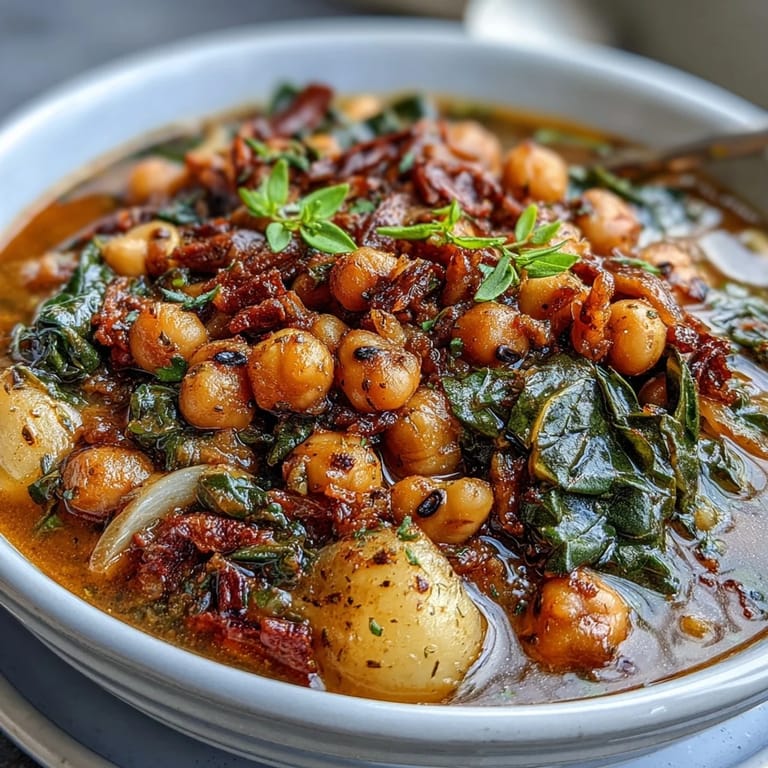
- Bring the pot to a simmer, then reduce the heat to low, cover it, and let it cook gently for 45 to 50 minutes, stirring occasionally so nothing sticks to the bottom. The collards will become silky, the peas will soften further, and all the flavors will marry into something whole.
- Finish with brightness:
- Fish out the bay leaves, stir in the apple cider vinegar, and taste to adjust the salt and pepper, adding more heat if you want it spicier.
 Save
Save The first time someone I'd cooked this for told me they'd been thinking about it for a week and made it again at home, I understood that this stew had become part of their story too. That's what makes soul food so powerful—it stops being just a recipe and becomes a memory you can recreate whenever you need comfort.
Serving Suggestions That Work
Cornbread is the classic pairing, and the way it soaks up the broth is honestly half the experience, but you can also serve this over rice, with a hunk of crusty bread, or even alongside roasted sweet potatoes. Hot sauce drizzled on top adds another layer of heat, or a squeeze of fresh lemon juice brightens everything if the stew feels too heavy.
How to Make It Your Own
This recipe is forgiving enough to bend to what you have on hand. If you love spice, add more jalapeño or cayenne, or stir in hot sauce at the end. If you want something richer, dice up some smoked turkey or ham and sauté it with the vegetables at the beginning, or add a teaspoon of liquid smoke to the spices. You could also throw in diced sweet potato in the last 20 minutes if you want something slightly sweeter, or add fresh kale instead of collards if that's what's in your crisper drawer.
Storage and Reheating
This stew actually tastes better the next day, after everything has had time to meld and settle, so make it ahead if you can. It stores easily in the refrigerator for up to four days or freezes beautifully for a few months, which means you can make a double batch and have comfort food on standby.
- Reheat gently on the stovetop over low heat, adding a splash of broth or water if it's thickened too much.
- It freezes best in flat containers or freezer bags so it thaws quickly and doesn't take up half your freezer.
- The flavors actually deepen as it sits, so don't hesitate to make it a day or two early for a gathering.
 Save
Save This stew is what I reach for when I want to feel connected to something bigger than myself, when I want to feed people the way love tastes. Once you make it, you'll understand why it's been passed down through kitchens and stories for so long.
Recipe FAQs
- → What gives this stew its smoky flavor?
Smoked paprika adds warm, smoky notes, and you can enhance this by sautéing smoked turkey or adding liquid smoke.
- → Can I make this stew spicier?
Yes, increase the amount of jalapeño or cayenne pepper to add more heat according to your preference.
- → How do I prepare the collard greens for the stew?
Remove stems and chop the leaves before adding them to the pot to ensure even cooking and tenderness.
- → Is this dish suitable for vegetarian diets?
Absolutely; the base stew is vegetarian and gluten-free. Simply omit any smoked meat additions to keep it vegan.
- → What sides complement this stew best?
Cornbread is a traditional pairing that balances the stew’s smoky and savory flavors perfectly.